Cowles
Mead
Fourth Territorial Secretary
of
And Third Acting Governor of
the
June 6, 1806 to
January 28, 1807

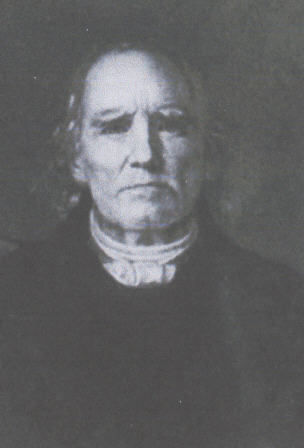
Portrait of Cowles Mead
Resides at
Sustained water damage from Hurricane
Katrina, August 29, 2005
From:
Mississippi Dept. of Archives & History; PI/STA M43.4 Box 19, Folder
# 4.

Restored Photo (above) .
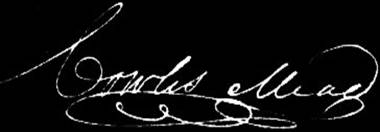
Signature of Cowles Mead
From
Record Group

The territory opened by the ceding of the Choctaw
land in 1830 attracted new settlers
from North and South Carolina , Virginia , Georgia ,
and Alabama
Sally Cowles (04/25/1781 – 05/11/1850), lived in Virginia.
As a young girl, she was "wooed" by her cousin, Cowles Mead
(pronounced "Coals"), whom she loved but refused to marry because of
their blood relationship. Mead, unable to remain in Virginia with the knowledge
that he couldn’t marry his cousin, moved to Georgia, where he practiced law and
became active in
Sally Cowles Marker: Photo 1 Photo 2 Photo 3
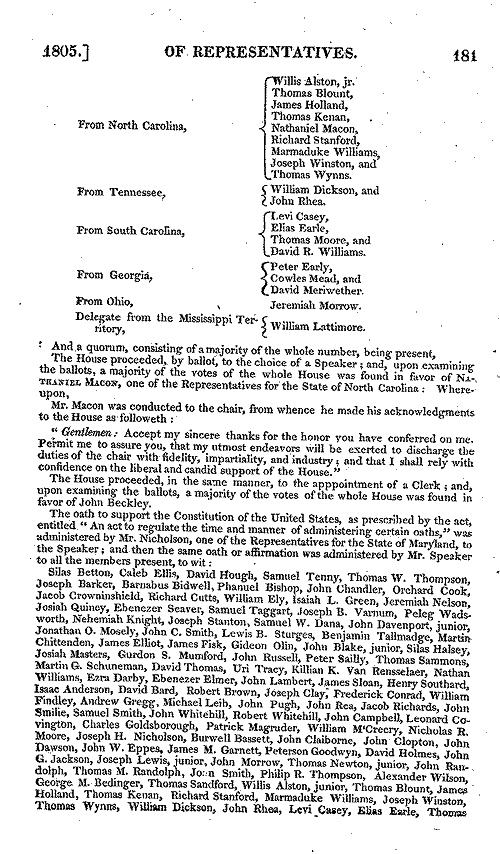
Cowles Mead ran for the office of United States Congressman
from Georgia and was elected over his influential opposition, Thomas Spalding.
When Mead went to
Read the complete story about Aaron Burr in Mississippi HERE.
Read about Cowles Mead and the Making of Mississippi HERE.
For more information on Thomas Spalding, CLICK HERE.
Thomas Spalding is listed on Findagrave
HERE
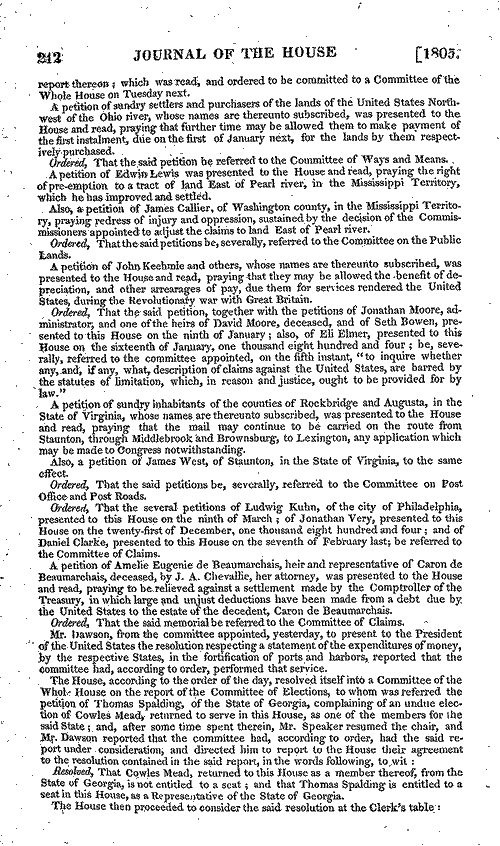
Contested Election of Cowles Mead -- From: Library of Congress,
Communication to Congress from President Thomas Jefferson Containing Letter From
Cowles Mead Concerning the Arrival of Aaron Burr in the Mississippi Territory –
February
Communication to Congress from President Thomas Jefferson Containing Letter From
Cowles Mead Concerning the Arrest and Surrender of Aaron Burr in the
Mississippi Territory – February
Burr had recently been involved in the now-famous duel in which he killed Alexander Hamilton. When Cowles Mead learned of Burr's presence in the territory, he ordered the militia to establish headquarters
at a nearby plantation. While he was a visitor at the home of a local judge,
Burr learned that his supposed friend, General James Wilkinson, had ordered his arrest. Burr voluntarily surrendered to Mississippi officials in exchange for
a guaranteed trial in the territory, rather than face extradition. Burr was
bound under a bond of $
Burr was given a trial in
Washington, Mississippi, in February,
Mead's namesake, Cowles Mead Vaiden, was educated in
Synopsis of Cowles Mead’s Political Career
Cowles Mead (
Synopsis of Governor/Lieutenant Governor Position during
this time:
Walter Leake – Governor –
Gerard C. Brandon (Lt. Governor under Leake
–
Gerard C. Brandon (Lt. Governor under Holmes) assumed
Office of Governor for remainder of Holmes’ term (
Gerard C. Brandon – elected Governor in August
-------------
Mead, Cowles –
From: MISSISSIPPI: Comprising Sketches
of Counties, Towns, Events, Institutions, and Persons, Arranged in Cyclopedic
Form. Planned and Edited by Dunbar
Rowland, LL. D., Director, Mississippi Department of Archives and History. Volume II, L-Z. The Reprint Company, Publishers, Spartanburg,
South Carolina. 1976. pp.213-214.
Secretary of Mississippi Territory, and acting governor from June
1806 to January 1807, was a Virginian by birth, reared in Georgia, who was a
candidate for congress when barely if required age. His election was certified by the governor of
Georgia, on partial returns, but when his opponent made a showing to congress
that the missing returns were delayed beyond the legal limit by the effects of
a hurricane, Mead was unseated, whereupon President Jefferson appointed him
secretary of the Mississippi Territory.
By virtue of his office he assumed the functions of the Territorial
governor, which were rather absolute in governing power, immediately upon his
arrival in Mississippi. A state of war,
due to Spanish menaces on the Louisiana boundary and at Mobile, and the Aaron
Burr expedition, exalted his powers in a high degree. It would naturally be expected that upon the
return of Governor Williams from his visit to North Carolina, Mead would not
pass into eclipse and become a mere secretary without some pangs, and this was
the case. In fact, the governor was
compelled to remove him in April 1807, that he should attend the seat of government
and perform his duties, or at least permit the governor to have access to the
records. Mead thereupon sent a Mr. pope
as his deputy, to which the governor demurred that he doubted the authority of
the secretary to appoint substitutes, though he was delighted with Mr. Pope
personally. McCaleb
(“Aaron Burr Conspiracy”), suggests that Mead’s suspicions of Wilkinson had
something to do with his retirement.
Because of his distrust of the general and confidence in the people, “he
was accused of being in sympathy with the conspirators by Wilkinson and
Governor Williams of Mississippi, and dismissed from office. Nevertheless, he
was beyond question the most efficient official in the West – and therefore
could expect no better reward.” Whatever
may be the authority for this, it is true that Mead and his friends accused
Governor Williams of being in sympathy with Burr, in hope of defeating the
governor for reappointment.
On February 1, 1807, he fought a duel
on the Louisiana shore with Capt. Robert Sample, of Wilkinson county, and received a wound in the right thigh
which lamed him during the remainder of his life. In the following April, he was married to
Mary, daughter of Abner Green. Upon his
retirement as secretary in the summer of 1807, he began the practice of law and
was elected to the house of representatives, where he led the fight on the
governor. Aaron Burr in later years
called him “a vain man, of very small mind,” and when told that he never tired
of relating the event of his capture, said, “I would have supposed the episode
to that affair would have restrained him from its narration.” (Sparks,
Memories.)
In his History of Texas, (1841), H.S. Foote wrote, preliminary to
quoting Mead’s famous war address of 1807: “The gentleman who pronounced it is
now eight miles distant from this writer, rejoicing equally in the comforts of
an ample fortune, and in the renown of bygone days; and perhaps reciting, at
this moment, to some delighted hearer, the wondrous capture of Aaron Burr, the
Conspirator.”
J.F.H. Claiborne (p. 276) describes him as a man of such flowery
speech that his real ability was obscured.
When the regiment of volunteers was organized at Baton Rouge in 1813, he
received a commission as colonel, but he gave it up to make a canvass for
delegate to Congress; a mistake which caused his defeat by Dr. Lattimore then,
and by Christopher Rankin a few years afterward. He was an active member of the constitutional
convention of 1817, was a skilled parliamentarian, and speaker in the
legislature, 1821-25. His later home,
called “Greenwood,” was a mile northwest of Clinton in Hinds county, set in a
lawn of fifty acres of Bermuda grass, which, it is said, he introduced into the
United States. He was an enthusiastic
gardener, and often entertained distinguished guests in a favorite seat under a
cedar in the midst of flower beds. The
sword of Aaron Burr was one of the treasures of his home until carried to
Virginia in 1861 and lost at First Manassas.
The home was destroyed in 1863, by the ravages of war.
In an old neglected graveyard, near Clinton, a prostrate shaft
bears the inscription: “To the memory of Cowles Mead, whose pure life
exemplified the spirit of an honest man.
Born, October 18, 1776, died May 17, 1844.” Beside him was buried his wife Mary Lilly,
born in 1797, died in 1834, and his son, Cowles G., born in Jefferson county in
1818, died in Yazoo county, 1849.
*******
To view the
above information from the book, CLICK HERE.
*******



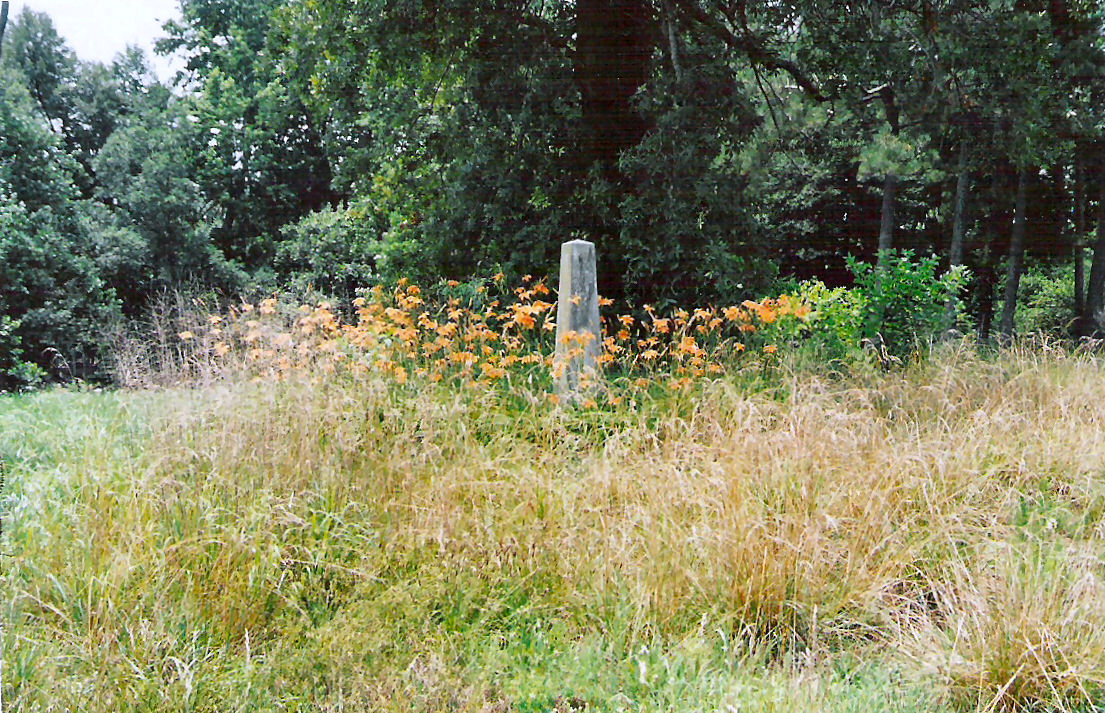


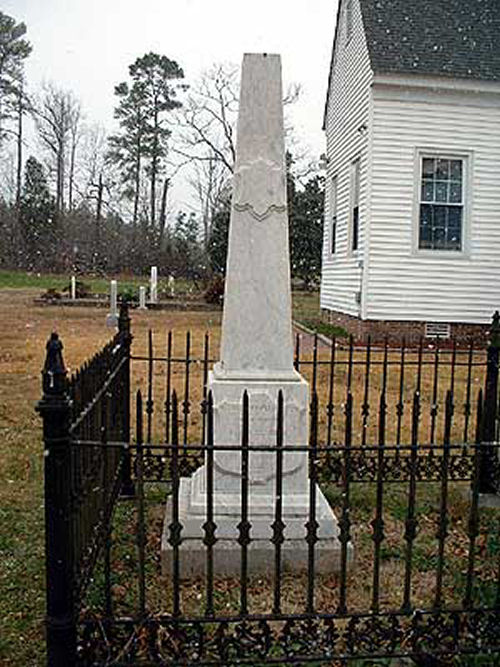


Used with
Permission Courtesy of Duane Curtis Mead - 2017
-------------
Mead’s Administration – pp. 214-215, ibid.
Cowles Mead, a Virginian of Georgia, was commissioned as secretary
of the Mississippi territory in March, 1806.
He arrived at Natchez May 31, and soon after assumed the duties of
secretary, and, as Governor Williams was absent, the powers of the governor
also. It was a period of great
historical interest. On account of the
Spanish activity in the Sabine river country, he made an agreement with
Governor Claiborne for military operations, in August, and ordered general
militia muster. (See Sabine
Expedition.) Mead was gratified by the
response of the people to his own enthusiastic war spirit.
The troubles with Spanish authorities at Baton Rouge and Mobile
were quite as urgent as the Louisiana boundary dispute. (See Florida Acquisition.) Mead wrote to the secretary of war in
September, 1806: “It is the general wish and inclination of the people of this
Territory to attack the Floridas; should one drop of
blood be spilt by the Spaniards on the southern borders of Louisiana it shall
be immediately expiated at Baton Rouge; unless I receive counter order from the
executive of the United States, with an eye to our predatory neighbors of the north
and east, and our internal security. I
am disposed to act decisively and promptly; that is, bring all the forces of
the Territory into immediate action and circumscribe our enemy in Mobile and
Pensacola.” “Sir, can’t the Floridas be taken and then paid for?” he inquired in
another letter to Dearborn. Nothing but
the solemn injunction of the general government withheld his arm. “I burn to deal back in blows upon the Floridas the insults of Louisiana.” Another muster was ordered in October. The commander of each militia regiment was
ordered to form a mounted company to be ready to move at a moment’s
notice. This was by the organization of
a battalion under Maj. Claiborne, which marched to Natchitoches and back in
October. (See Sabine Expedition.) The result was great indignation against Gen
Wilkinson, though that wonderful man continued to hold the loyalty of many
friends. After this Wilkinson and his
confidants were engaged in working up a tremendous excitement regarding the
advent of Aaron Burr, in which Mead was effectively employed, though he
professed enmity to the general. He has
written to the secretary of war September 7: “The people of this Territory are
impressed with a conviction in their own minds that General Wilkinson is a
Spanish officer. The old inhabitants all
know some facts which lead to this opinion and seem astonished when ignorance
of his extreme intimacy with several Spanish governors is acknowledged. . . . I
do not hesitate to express my fears of the result of a warfare waged by the
United States against Spain, and General Wilkinson the commandant. Think not sir, that I am the humble follower
of John Randolph. No, I believe the one
as much a Julius Caesar as the other a Cataline.” When he had sent the battalion into Louisiana
for the Sabine campaign, partly unarmed, because Wilkinson gave strict orders
that no arms should be issued from Fort Adams, Mead vowed the people would
never go into a war with Spain under the command of Wilkinson. In November Mead was asked by Wilkinson to
send a battalion of 300 men to New Orleans, which he refused to do.
December 2, 1806, Secretary Mead addressed the legislature, at its
regular session, and beginning with the words, “Called by fortuitous
circumstances to the performance of the executive functions of the Territory,”
he bestowed upon them such an oratorical effusion as no general assembly of the
Mississippi Territory had yet been permitted to enjoy. At the same time in a confidential recognition
of the Burr expedition, which agitated the Territory for several months
afterward, and during December kept the militia in expectancy of a call to arms
against the filibusters from the North.
Mead adjourned the legislature from December 12 to the 19, and gave all
his attention to hostile preparations.
In his message he said: “I now, gentlemen, bid adieu to my civil
character. Tomorrow I assume the
military prerogatives of my office and shall leave you at this time with the
fullest assurance of your patriotism, and in my revolutions through the
Territory I shall expect to find you at your respective posts performing the
duties which you may be required to execute in the general defence
of our country.” Col. Burr was in the
hands of the court and released on bail when Governor Williams returned, late
in January, 1807, and resumed the duties of his office.
-------------
Meadville – pp. 215-216, ibid.
Meadville, the county seat of Franklin county, is situated at the
geographical center of the county on Morgan’s Fork, an affluent of the Homichitto river, and 10 miles east of Roxie, the nearest
railroad station. Gloster
is the nearest banking town. The town
became the seat of justice about 1820, the original county seat having been
located located at Franklin, about 2 ½ miles to the
west. It was named for Cowles Mead,
second Secretary of the Territory. It
ships cotton and molasses. The Franklin
Advocate, a Democratic weekly, was established here in 1891, and is edited and
published by Butler & Co. Population
in 1900, 250.
From: The Official and Statistical Register of the
State of Mississippi, Centennial Edition.
Parts 1 & 2. By: Dunbar
Rowland, LL. D. Democrat Printing
Company, Madison, Wis. 1917 pp. 40-46.
TERRITORIAL GOVERNMENT
GOVERNORS OF MISSISSIPPI TERRITORY -- 1798 – 1817
Winthrop
Sargent, of Northwest Ohio River.
Appointed on Confirmation, May 7, 1798.
Served from May 7, 1798 to May 25, 1801
Born at Gloucester, Mass. On May 1, 1755
Died in New Orleans, Louisiana on June 3, 1820
Buried at Gloucester
Appointed by President John Adams
William
C.C. Claiborne, of Tennessee.
Recess Appointment, May 25, 1801
Appointed on Confirmation, January 26, 1802.
Served from May 25, 1801 to March 1, 1805
Born in Sussex County, VA in 1775
Died Nobember 3, 1817 at age of
42
Buried in Metarie Cemetery, New
Orleans, LA
Robert
Williams, of North Carolina
Appointed on confirmation, March 1, 1805
Appointed on Confirmation, March 14, 1808
Served from March 1, 1805 to March 7, 1809
Born in Surrey County, North Carolina on July 12, 1773
Died at Ouachita, Louisiana on January 25, 1836
Buried on his plantation near Monroe, Louisiana
David
Holmes, of Virginia
Appointed on confirmation, March 7, 1809
Appointed on confirmation, March 31, 1812
Appointed on confirmation, December 10, 1814
Served from March 7, 1809 to October 7, 1817
Also was elected as the first Governor of the state of
Mississippi
Served twice as Mississippi’s first Governor (Oct. 10, 1817
to Jan. 5, 1820) and fifth Governor (Jan. 7, 1826 to July 25, 1826)
Born at Mary Ann Furnace, York County, Pennsylvania on
March 10, 1770
Died at Jordon’s Sulphur Springs, Winchester, VA on Aug.
20, 1832
Buried at Winchester, VA
Never Married
TERRITORIAL JUDGES OF MISSISSIPPI -- 1798 – 1817
Daniel
Tilton, of New Hampshire -- commissioned on May 7, 1798
Peter
Bryan Bruin, of Mississippi -- commissioned on May 7, 1798
WilliamMcGuire,
C.J., of Virginia – commissioned on June 28, 1798
Seth
Lewis, C.J., of Tennessee – commissioned on May 13, 1800
David
Ker, of Mississippi -- recess appointment on Nov. 2, 1802; appointed on
confirmation on Jan. 25, 1803
Thomas
Rodney, of Delaware -- recess appointment on July 12, 1803; Appointed on
confirmation on Nov. 18, 1803
Ephraim
Kirby, of Connecticut -- commissioned on April 6, 1804
Harry Toumlin, of Kentucky – commissioned on Nov. 22, 1804
Obediah Jones, of
Georgia – commissioned on March 3, 1805
George
Matthews, Jr., of Georgia – commissioned on July 1, 1805
Walter Leake, of Virginia – commissioned on March 2, 1807
Francis
Xanvier Martin, of North Carolina – commissioned on
March 7, 1809
Obediah Jones, of
Mississippi – commissioned on March 6, 1810
Oliver
Fitz, of South Carolina – commissioned on April 18, 1810
David
Campbell, of Tennessee – commissioned on March 3, 1811
Josiah
Simpson, of New Jersey – commissioned on Feb. 18, 1812
George
Poindexter, of Mississippi – commissioned on March 3, 1813
Josiah
Simpson, of Mississippi – commissioned on Feb. 9, 1816
Stevenson
Archer, of Maryland – commissioned on March 6, 1817
ATTORNEYS-GENERAL OF MISSISSIPPI TERRITORY
Lyman
Harding 1799-1803
George
Poindexter 1803-1807
Seth
Lewis, West District 1807-1808
William
B. Shields, West District 1808-1814
Christopher
Rankin, West District 1814-1817
Nicolas
Perkins, East District 1807-1809
Lemuel
Henry, East District 1809-1812
Joseph
Carson, East District 1802-1817
Louis
Winston, Madison County 1809-1817
SECRETARIES OF MISSISSIPPI TERRITORY -- 1798-1817
John
Steele, of Virginia
Appointed on confirmation, May 7,
1798
Acting Governor, April 3, 1801 to
November 23, 1801
Cato
West, of Mississippi
Appointed on confirmation, March 3,
1803
Acting Governor, October 1, 1804 to
May 10, 1805
Thomas
H. Williams, of Mississippi
Recess appointment, July 1, 1805
Cowles
Mead, of Georgia
Appointed on confirmation, January
21, 1806
Acting Governor, June 6, 1806 to
January 28, 1807
Thomas
H. Williams, of Virginia
Recess appointment, June 1, 1807
Appointed on confirmation, November
18, 1807
Acting Governor, March 3, 1809 to July 1, 1809
Henry
Dangerfield, of Mississippi
Recess appointment, June 30, 1810
Appointed on confirmation, January 10, 1811
Appointed on confirmation, December 10, 1814
Acting Governor, October 6, 1811 to June 15, 1812
Nathaniel
A. Ware, of Mississippi
Recess appointment, June 7, 1815
Appointed on confirmation, January
10, 1816
Acting Governor, April, 1815 to May
1816
SPEAKERS OF THE HOUSE OF REPRESENTATIVES OF MISSISSIPPI TERRITORY
-- 1800-1817
Henry
Hunter – 1800 to 1803
William
Gordon Forman – 1803
William
Connor – 1803
Nicholas
Perkins – 1803
William
Dunbar – 1803
Philander
Smith – 1804 to 1805
John
Steele – 1805 to 1806
John
Ellis – 1806 to 1808
William
Snodgrass – November 1809
Ferdinand
L. Claiborne – February 1809
Ferdinand
L. Claiborne – 1809 to 1810
Thomas
Hinds (pro. Tem.) – 1810
Ralph
Rogers (pro. Tem.) – 1810
Cowles
Mead – 1811 to 1813
Daniel
Burnet – 1813 to 1815
Gabriel
Moore – 1815 to 1817
AUDITORS OF MISSISSIPPI TERRITORY
Charles
B. Howell
Beverly
R. Grayson
Park
Walton
TREASURERS OF MISSISSIPPI TERRITORY
Abner
Green
Samuel
Brooks
PRESIDENTS OF THE LEGISLATIVE COUNCIL OF MISSISSIPPI TERRITORY
1801-1817
John Stampley – 1801 to 1802
John
Ellis – 1802 to 1807
Joshua
Baker – 1807 to 1809
Daniel
Burnet – 1809
James
Lea – 1809
Alexander
Montgomery – 1809
Thomas
Barnes – 1809 to 1810
Alexander
Montgomery – 1810 to 1812
Thomas
Barnes – 1812 to 1815
James
Titus – 1816 to 1817
MEMBERS OF THE LEGISLATIVE COUNCIL OF MISSISSIPPI TERRITORY --
1800-1817
Robert
Bailey – commissioned Feb, 4, 1815
Thomas
Barnes – commissioned Sept. 1, 1809
Appointed on confirmation – Dec. 26,
1809
Re-appointed – Feb. 15, 1814
MEMBERS OF THE HOUSE OF REPRESENTATIVES OF MISSISSIPPI TERRITORY
Name County Session
William
D. Baker Adams 1815
Benjamin
Baldwin Baldwin (Alabama) 1813
H.J.
Balch Jefferson 1811,
1813
Sutton
Banks Adams 1800
Allan
Barnes Claiborne 1811
Daniel
Beasley Jefferson 1809,
1811
John
Bond, Jr. Marion,
Lawrence 1815
Joseph
Bowman Adams 1811
James
W. Branham ------- 1807
Gerard
Brandon Wilkinson 1815
Theodore
Brightwell Washington
(Alabama) 1809
Wilborn
Briscoe Claiborne 1813,
1815
Samuel
Bridges Jefferson 1806,
1807
John
Brooks Jefferson 1802,
1803
Ervin
Brown ------- 1815
Stephen
Bullock ------- 1807
John
Burnet Pickering 1802
Daniel
Burnet Claiborne 1807,
1813
James
Caller Washington
(Alabama) 1807,
1811
John
Caller Washington
(Alabama) 1804
Thomas Calvit Pickering 1800,
1802
Anthony
Campbell Adams 1815
Henry
Cassells ------- 1808
Bailey
E. Chaney Franklin 1809,1813,
1814
George
Clark ------- 1807
F.L.
Claiborne Adams 1804
Samuel
Cook ------- 1807
William
Connor Adams 1802
William
Crawford Mobile
(Alabama), Jackson 1813
Micajah Davis Adams 1807
Abram Defrance Adams 1809
Roger
Dixon Jefferson 1802
Henry
D. Downs Jefferson 1807
Henry
D. Downs Warren 1813,
1815
William
Dunbar Adams 1802
Joseph
Dunbar Jefferson 1805
John
Ellis Adams 1806
Thomas
Fitzpatrick Jefferson 1806,
1807
William
Gordon Forman ------- 1803
James
Foster ------- 1809
John Girault Jefferson 1802
Thomas
M. Green Pickering 1800
David
Greenleaf Adams 1813
John
Hanes Adams 1809
Henry
Hanna Amite 1813,
1815
Lyman
Harding Adams 1804
Lemuel
Henry Washington
(Alabama) 1807
Thomas
Harris ------- 1807
James Hoggatt Adams 1800,
1802
Philip Hoggatt Adams 1811,
1813
John
Hopkins Jefferson 1815
George
W. Humphreys Jefferson 1806
Henry
Hunter Adams 1800,
1806, 1809
Anthony
Hutchins Adams 1800
Joseph
P. Kennedy ------- -------
Richard
King ------- 1809
Josiah
D. Lister Washington
(Alabama) 1815
John
Lowry Amite 1811
David McCaleb Claiborne 1809
James
McCartney Madison 1813
George
W. McConnell Franklin 1811
William
McGrew Washington
(Alabama) 1811
Hugh McVay Madison
(Alabama) 1811,
1813, 1815
Cowles
Mead Jefferson 1807,
1811
Alexander
Montgomery Adams 1806,
1807
Samuel
Montgomery Adams 1813
Gabriel
Moore Madison
(Alabama) 1811,
1813, 1815
George
Newman Adams 1815
John
Nugent Adams 1809
Thomas
Orme ------- 1807
Audly L. Osborne ------- 1809
James
Patterson Wayne 1811,
1813
Peter
Perkins Madison
(Alabama) 1811
Nicholas
Perkins Washington 1802
Lewis
Perkins Amite 1811
George
Poindexter Adams 1806
William
Pool ------- 1809
Samuel
Postlethwaite Adams 1811
John B.
Posey Wilkinson 1813
Christopher
Rankin Amite 1813
Ralph
Reagan Claiborne 1809,
1813
Joseph
Roberts ------- 1809
Harmon
Runnels Marion,
Hancock 1813
Reuben Saffold Clarke
(Alabama) 1813,
1815
Joseph
Sessions Adams 1807,
1811, 1813
John
Shaw Jefferson 1804
John
Shaw Franklin 1815
William
B. Shields Adams 1807,
1808, 1813
Philander
Smith Adams 1804,
1811
Samuel
Smith Washington
(Alabama) 1813,
1814
William
Snodgrass Jefferson 1806,
1807, 1808, 1809
Theodore
Stark Adams 1807
John
Steele Adams 1804
Duncan
Stewart Wilkinson 1813
Minor
Sturgis ------- 1807
Nathan
Swayze Adams 1815
John
Taylor Adams 1813
James
Titus Madison
(Alabama) 1812
Berinett Truly Jefferson 1807
Edward
Turner Warren 1811
Edward
Turner Adams 1815
White
Turpin Adams 1809
Edward
Ward ------- 1810
Nathaniel
A. Ware Adams 1813
Josiah
Watts Greene,
Wayne 1815
Cato
West Pickering 1800,
1802
James
C. Wilkins Adams 1815
John B.
Willis ------- 1809
Jesse Winborne Amite 1815
William
H. Winston Madison 1815
William
O. Winston Madison 1810
James
Wood Claiborne 1815
For a complete listing of the Executive Branch , CLICK HERE.
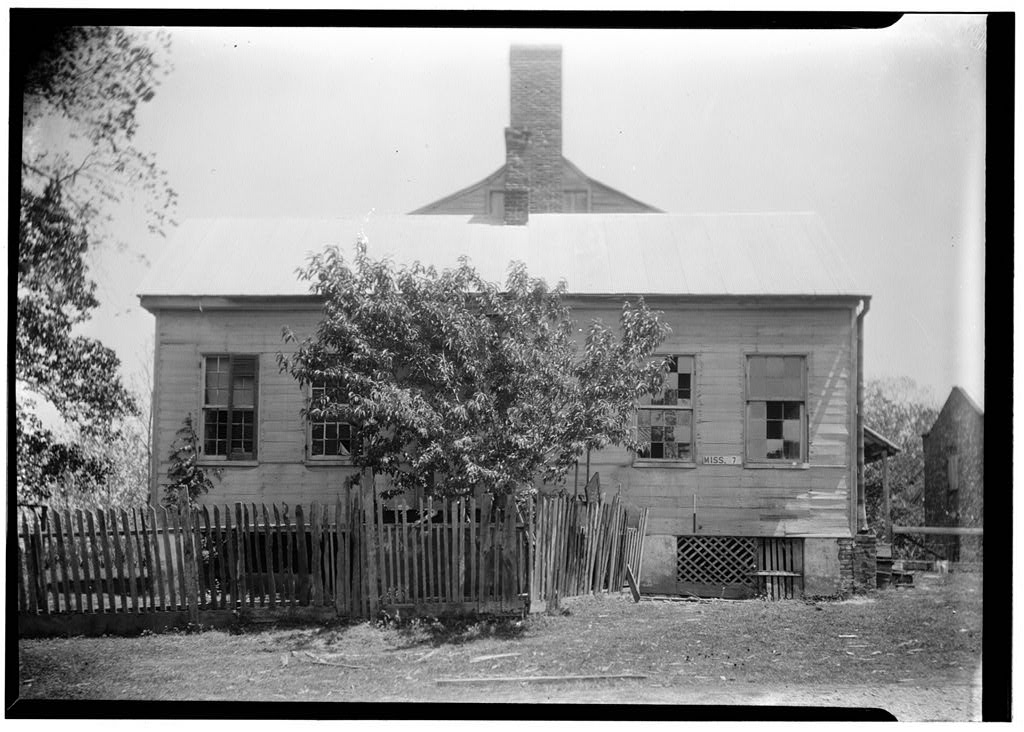
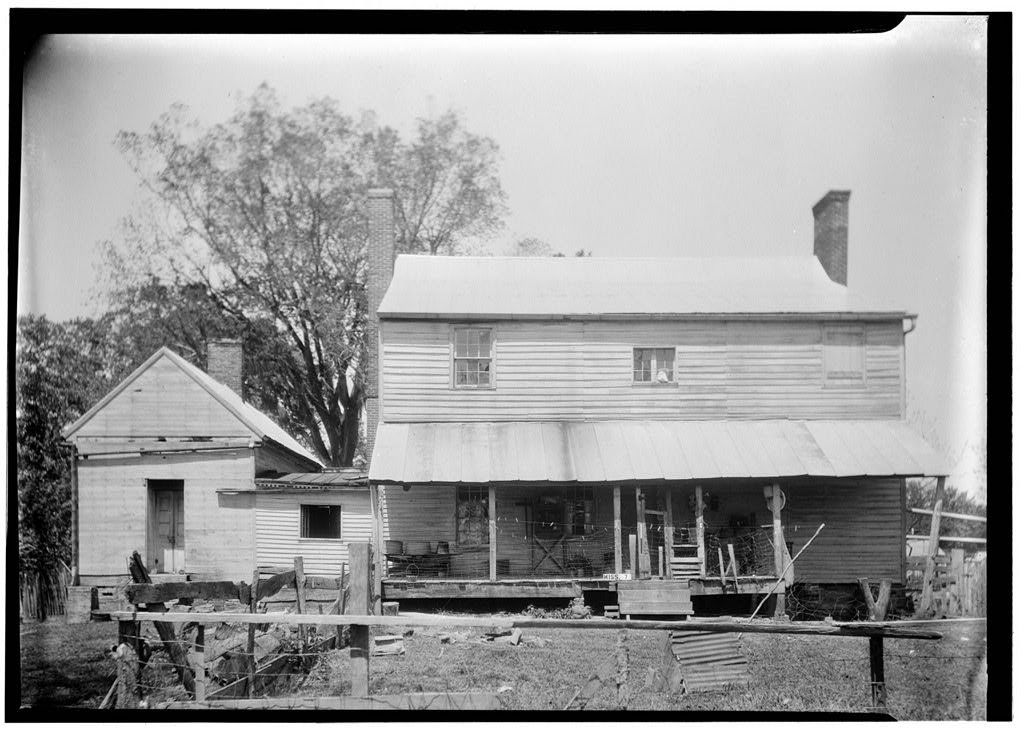
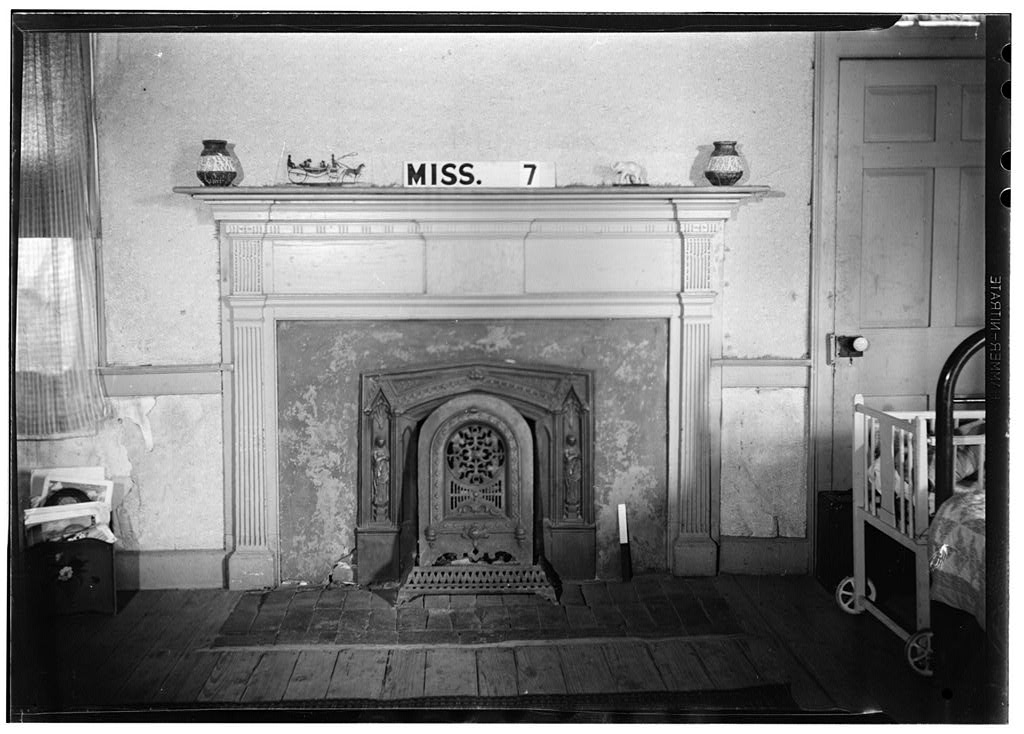
Mississippi Territorial Secretary Cowles Mead's Home “Meadvilla”
in Washington, Mississippi
Meadvilla is
located behind the Washington United Methodist Church on Highway 61 North in
Washington, Mississippi, and was added to the National Register of Historical
Places in 1982 as Building Number 82000570.
It is described by the National Register as Federal/Greek Revival Style.
Description of Meadvilla from A Gentleman of the Old Natchez Region – Benjamin L.C. Wailes by Charles S.
Sydnor
Library of
Congress Photo Description # 1 -- Library of Congress Photo Description # 2
Library of
Congress Photo 1 -- April 29, 2002 Photo 1 -- April 29, 2002 Photo 1a (right wing is visible in this photo)


Library of Congress
Photo 2 -- April 29, 2002
Photo 2

Library of
Congress Photo 3 -- April 29, 2002 Photo 3

Library of
Congress Photo 4 -- April 29, 2002 Photo 4

Library of
Congress Photo 5 -- April 29, 2002 Photo 5


May 03, 2002
Photo of Kitchen (separate from house)

Washington United
Methodist Church – May 3, 2002

Meadvilla is behind Washington United Methodist Church

Meadvilla Update – 2007
Meadvilla has finally been bought and is being restored to its
former grandeur. More details and photos
will be forthcoming. The photo below
shows its progress, as of September 2007.

Photo Courtesy of Cheryl Munyer, Director at Historic
Meadvilla Update – 11/21/2018

MEADVILLA
LATER USED AS HOTEL
FROM: Antebellum Natchez, by D. Clayton
James. L.S.U. Press, Baton Rouge,
LA. 1968. pp. 188-89.
That
the Trace carried most if the road traffic is evident from the number of
taverns strung along it. The most
thriving inns of Natchez before the war of 1812 were those located on the
narrow, meandering road to Nashville.
They included Connelly’s Tavern, King’s Tavern, and the White Horse
Tavern. Most tavern keepers dwelt at the
rear of their inns, but George Overaker, who owned
the White Horse Tavern, grew wealthy enough to purchase “Hope Farm” as a town
house and “Hawthorne” in the countryside nearby. The only sizable inn of territorial Natchez
that was not located on the Trace was Michie’s
Tavern, which was situated on Main Street.
Although affluent enough to be able to buy “Cherokee” mansion, David Michie did not achieve the fine reputation that his father
and brothers gained in Virginia as tavern keepers. Possibly the oldest tavern on the south end
of the Trace was “Mount Locust,” built about 1780 by British rebel John Blommart and operated later by James Chamberlain. Washington’s principal inn was the Washington
Hotel, formerly the home of Cowles Mead
which Moses Richardson converted in 1813 into a successful hostelry,
advertising it as “the large and commodious house under the sign of the spread
eagle.” Some Trace innkeepers as far as
a hundred miles to the north advertised in Natchez papers, such as Turner Brashears, who in 1806 announced the opening of his “house
of entertainment” in “the Wilderness. . .about 40 miles from William Smith’s at
the Indian line
The
flourishing inns along the south end of the Trace suffered seriously from the
advent of upriver steamboating, and by the 1830’s the
most successful and spacious Natchez hotels were those which catered to river
travelers. The better inns were
clustered in the western section of the upper town, usually one to three blocks
from the bluff, so that travelers reaching the top of the landing-road could
readily locate them. William Parker’s
three-story Mississippi Hotel, according to one authority, offered “probably
the best accommodations to be had” in Mississippi in the 1830’s. But the structure was damaged by fire in 1839
and was completely destroyed the next year by a tornado. When the City Hotel was constructed in 1837
on the site of a previous inn that had been gutted by fire, a local journalist
boasted that the 120-room building “may vie with the Astor House, New York.”
CLICK HERE for more on Meadvilla
and Benjamin L.C. Wailes 
Information in this link Courtesy of
History of Cowles Mead
Article 1 -- Article 2 -- Map to Cowles Mead's Grave -- Mead Land Holdings


Mead Burial Plot, Clinton, MS -- Cowles Mead’s
Grave --
10/18/1776 - 05/17/1844


Mary Lilly Mead Grave ((2nd
Wife) -- 03/10/1797 - 10/27/1834 -- Cowles G. Mead
Grave (Son) -- 11/28/1818 - 10/25/1849


Cowles Mead History from Mississippi
Department of Archives and History Subject Files (.pdf document )
Newspaper Article About Mead’s Life # 1 from Mississippi Department of Archives
Subject Files

Newspaper Article About Mead’s Life # 2 from Mississippi Department of Archives
Subject Files

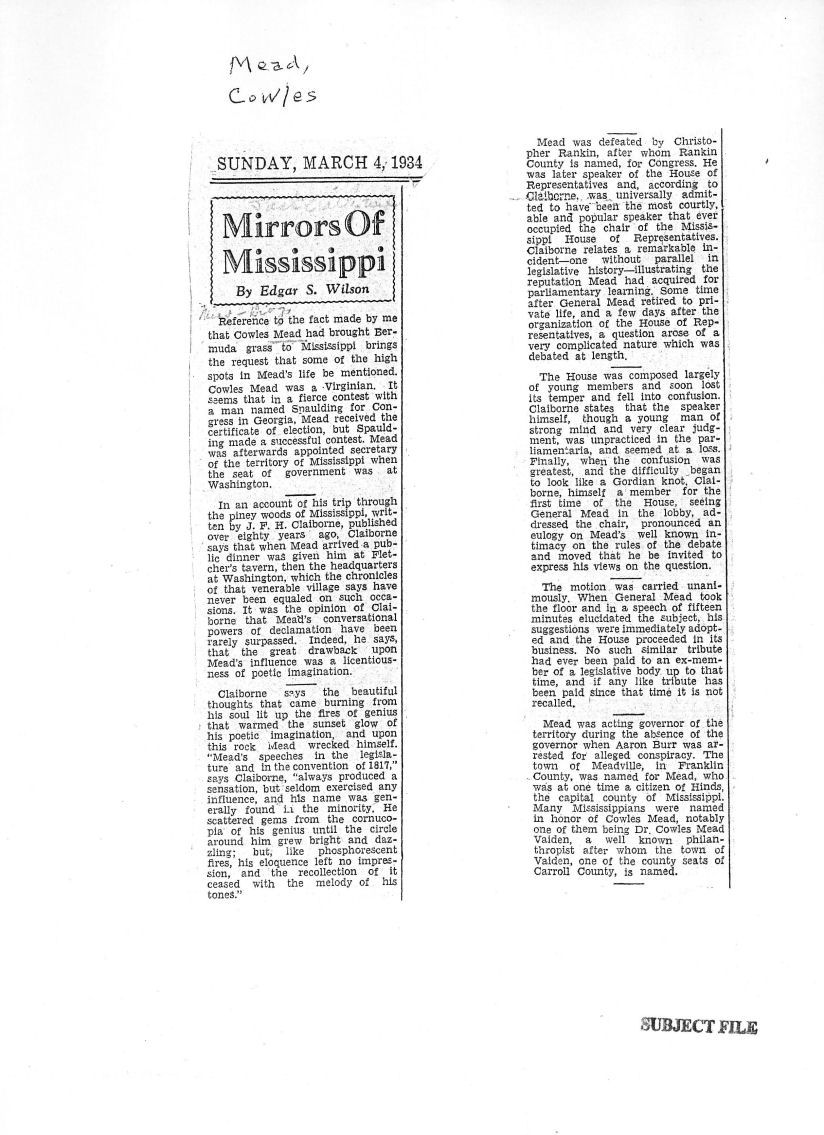
Mirrors of
Mississippi
newspaper article
Women of the Southern Confederacy Subject File from the Mississippi
Department of Archives concerning Mary Overacker
Magruder Mead (Cowles’ 3rd Wife)

More of the
Article on Women of the Southern
Confederacy as
Listed Above concerning Mary Overacker Magruder
Mead (Cowles’ 3rd
Wife)
More Mead History (.pdf
document)
Cowles Mead Lineage – First Edition
Cowles Mead
Lineage – Second Edition
Future Natchez Trace Exhibit of Cowles Mead's Gravesite -- June
26, 2001
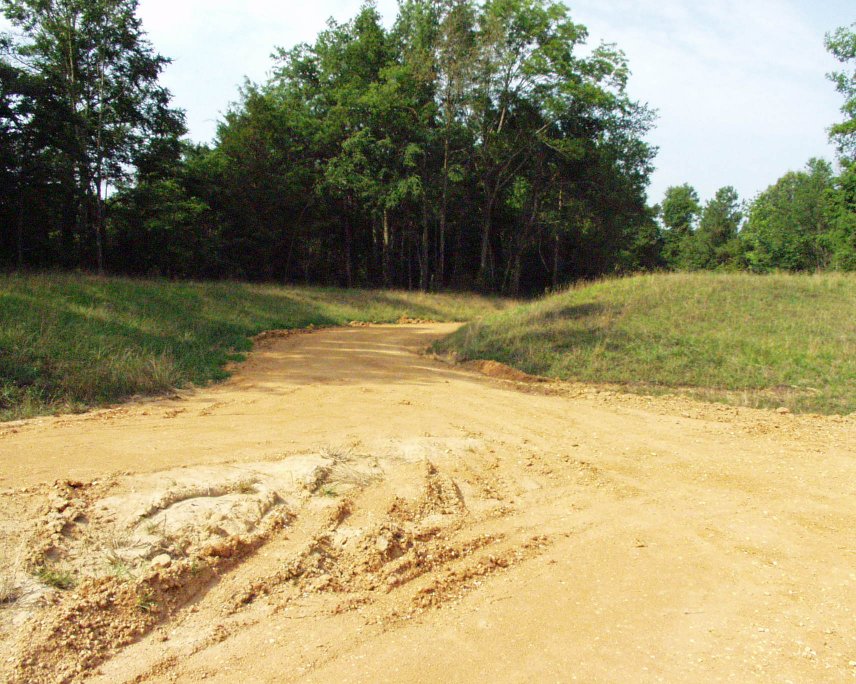
To visit the Cowles Mead family
gravesite, take Interstate 20 west toward Vicksburg, Mississippi from
Jackson. About 2 miles west of Clinton,
take exit 34 onto the Natchez Trace north.
After traveling approximately 8/10 of a mile, the rest area for the
gravesite will be on the right. This
portion of the Natchez Trace is incomplete as of 10/20/2004, but should be
opened in 2005. The location is Mile Marker 88.
Photo 1 -- Photo 2


Photo 3 -- Photo 4


Photo 5 -- Photo 6


Photo 7 -- Photo 8

Letter from Hon. Clarence Pierce to U.S. Dept. of Interior about
the Cowles Mead Gravesite – Page 1 – Page 2
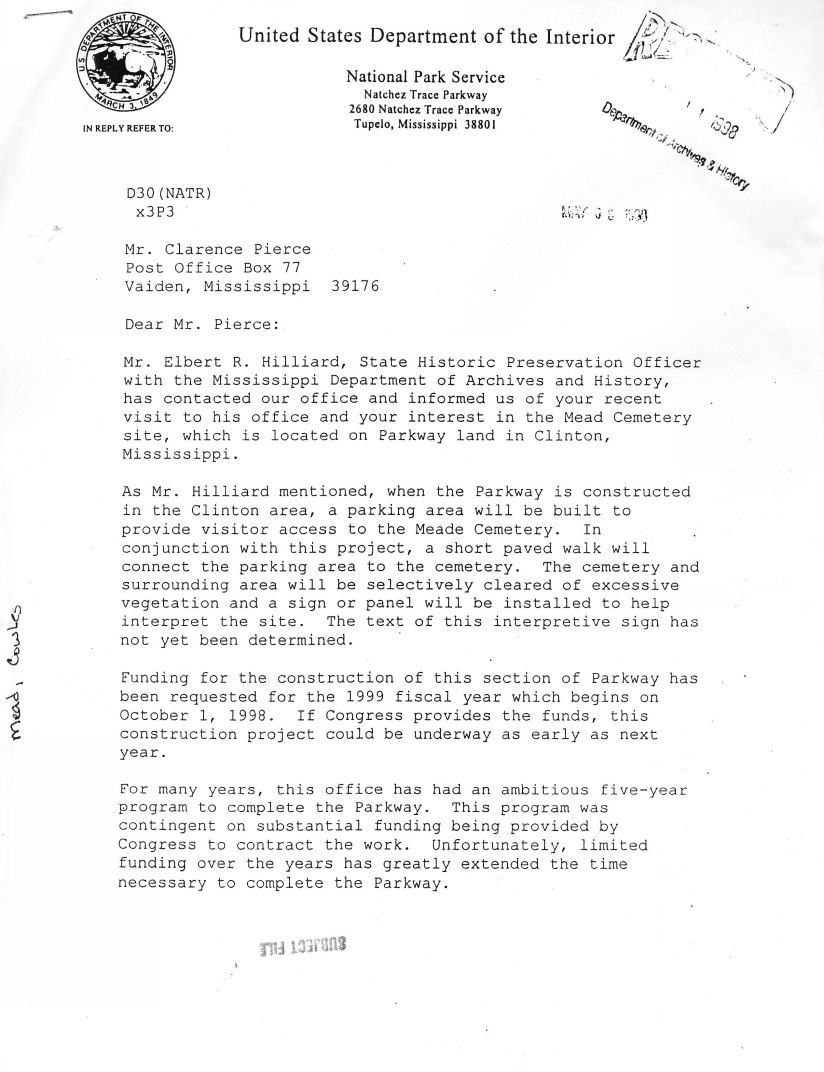
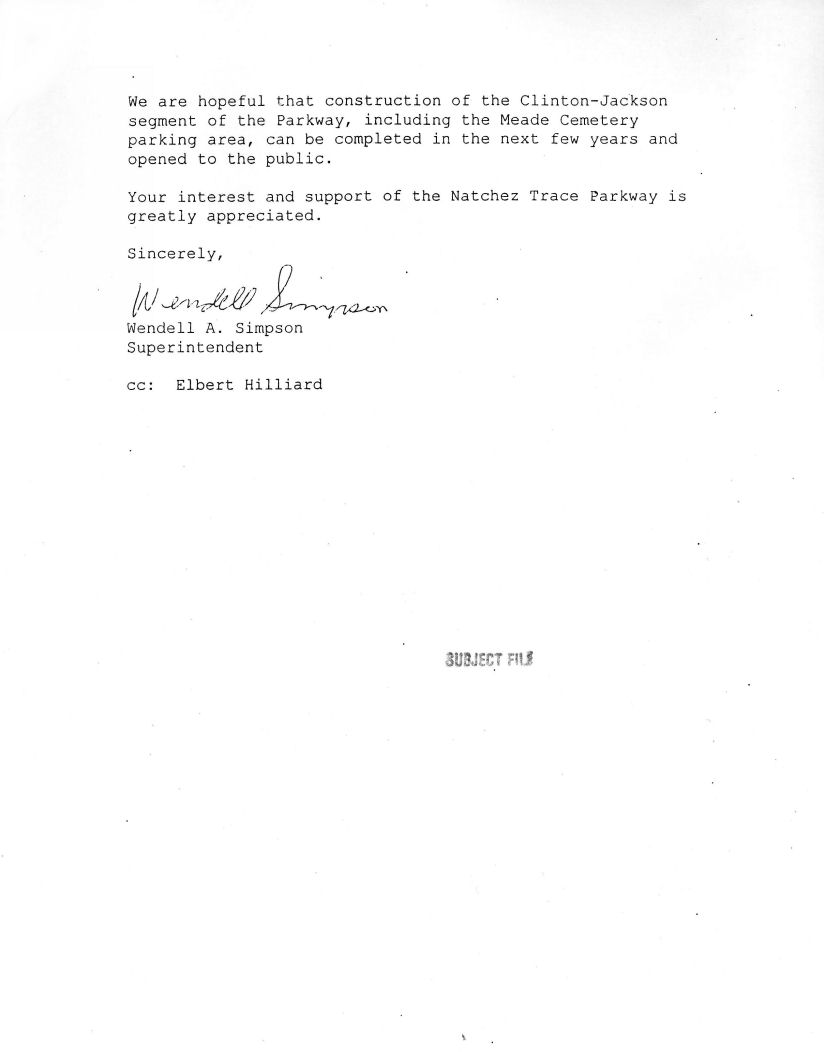
Current Photos of the Gravesite
Photos Courtesy of Linda Chandler Towns
Note: The grave markers were cleaned approx. 09/15/2004. Click below.
Photo 1 Photo 2 Photo 3


Photo 4 Photo 5


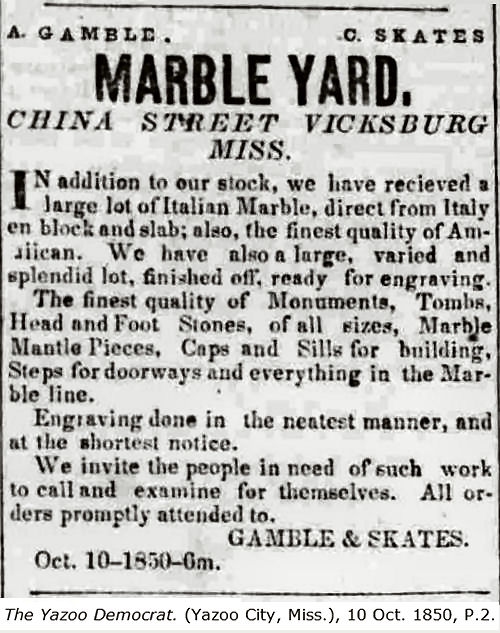
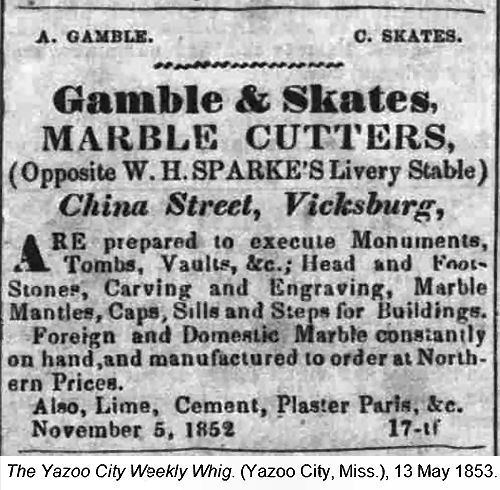
Cowles Mead’s grave marker was made
by Gamble & Skates in Vicksburg, MS

Gamble &
Skates 1850 newspaper advertisement
– Gamble &
Skates 1853 newspaper advertisement 1853
UPDATE: The last remaining segment of the 444-mile Natchez
Trace was completed in the spring of 2005.
The official opening ceremony for the 13.5 mile section was conducted on
May 21, 2005. Read about it HERE (.pdf file).
Newspaper Article About Gravesite from Mississippi
Department of Archives Subject Files

Another Newspaper Article About Gravesite from Mississippi Department of Archives Subject Files

Cemetery Information (.pdf document) from Mississippi
The
Location of the Cowles Mead Cemetery is 322102N and 0902029W – Source: USGS Map
Search
It is
located at Mile Marker 88 on the Natchez Trace.
Update Photo –
February 28, 2002

Cowles Mead and Mississippi College
(Excerpts from
McLemore’s History of Mississippi College; Clinton, Mississippi)
In 1833 the legislature amended
the board of trustees to give the legislature the power of filling vacancies on
the board of trustees--hence, Mead would be a logical choice. However, the state no longer gave the college
money!! In 1834 the Clinton-Vicksburg Railroad Co was incorporated. There were nine directors, of whom a majority
were from Clinton. Cowles Mead was named
president of the railroad, and he was to become president of the board of trustees of MC. Apparently he was
not on the board in 1836. However, this NEWSPAPER ARTICLE shows him as president in 1843 (Source: Ponola [sic] Weekly Register. (Ponola
[sic], Miss.), April 5, 1843.

"The Presbyterians were the
oldest and largest denominational group in Clinton. They had a church house standing on the
approximate site of Mississippi College's Alumni Hall. The Presbyterian church included within its
membership many of the most prominent citizens of Clinton. Among them were Cowles Mead, Daniel Comfort,
G. P. Strong, and Ulysses W. Moffett. ........When the Methodists definitely
determined in October, 1841, that Centenary College was to be located in
Brandon Springs, and the Mississippi College property was to be returned to the
citizens of Clinton, there began a reorganization of the board of trustees that
eventually placed the institution under the control of the Presbyterian
church. On April 11, 1842, the board
consisted of Cowles Mead, President. . . . . .
Mead....were present at the
meeting on April 11, 1842, when the board formally adopted a resolution that
"the trustees of the Mississippi College tender the college to the Clinton
Presbytery to be exclusively under the control of that Presbytery."
.....In February, 1843, Cowles
Mead called the board into session. He invited
the board to meet in his beautiful home, Greenwood, located on the outskirts of
Clinton. Here in this magnificent
antebellum mansion Mead, ........., met to review the recent developments in
the college's history and to plan for the future.
Mississippi College had been
taken over by the "New School" Clinton Presbytery. This Presbytery included the three
presbyteries of Clinton, Brandon, and Lexington. The "New School" Presbyterian
Church in Clinton was organized by a group of devout members who withdrew from
the "Old School" church on July 23, 1842. Among those who were granted letters of
dismissal were Cowles Mead, Mary Mead, ......
The appeal of the 'New School" church
proved to be very successful. The
complete disruption of the "Old School" church became a possibility
when the division reduced the membership to 34.
The "Old School" church sought to stem the tide by refusing
letters of dismissal to those who wished to follow their friends into the
"New School" church. The
differences between the members was three hotly debated issues:
First --- Doctrine of Original
Sin. The "New School"
supported the teaching of "impartial, disinterested good-will, love or
benevolence to all beings capable of happiness...a benevolent complacency in the
moral excellence of all who possess this essential qualification for
happiness--The evidence seems to indicate a very small percentage of
Presbyterians accepted this viewpoint.
Second --- Rivalry over means of
conducting benevolent enterprises. This
conflict extended to missionary and educational enterprises. In Mississippi a particularly bitter
controversy developed over the support by the Presbyterian church for the
Mississippi Colonization Society. This
organization supported the return of Negroes to Africa and the establishment of
a democratic state there that became known as Liberia.
Third --- A very important cause
of the division of the Presbyterian church throughout the United States and in
Clinton was the attitude toward slavery.
The "Old School" defended slavery as a positive good while the
"New School" took a more liberal view of the issue.
The “New School"
Presbyterian church enjoyed a dominant position in Clinton from 1843 to
1848. The division between "New
School" and the "Old School" for dominance continued through the
period of Presbyterian control and was probably the most important factor in
causing the failure of the Presbyterians in the management of Mississippi
College.
The effect of the division of
the Presbyterian church on Mississippi College became evident during the
session of 1843-1844. The board of
trustees underwent several significant changes.
Cowles Mead died on May 22, 1844.
Here is the brief NEWSPAPER ANNOUNCEMENT of his death (Source: Jeffersonian.
(Kosciusko, Miss.), June 1, 1844. He had
been a strong and successful leader of the board.
---------------------------------------------------------
Cowles Mead was active in many
areas of politics and community. One is
the Mississippi Colonization Society, as follows:
The
Source: Religion in
---------------------------------------------------------
Cowles Mead was also president of the
Real Estate Banking Company of
Hinds County (Clinton, Miss.). SEE HERE for one of the Company’s One Dollar Promissory Notes.


---------------------------------------------------------
The Greenwood
Plantation Home of Cowles Mead
– Microsoft Word format
---------------------------------------------------------